Sliding Door Systems Malaysia 2026

Door Closer Guide Malaysia 2026 — Types, How to Choose & Installation Tips

A door that slams is a nuisance. A fire door left propped open is a safety violation. A heavy shopfront entrance that swings back and cracks the wall is a liability. In each of these situations, the fix is the same — the right door closer, correctly sized and properly installed. Door closers are one of the most commonly overlooked hardware items in Malaysian renovation and construction projects. Most people only notice them when they fail. This guide covers every door closer type available in Malaysia in 2026, how the EN size rating system works, and exactly how to choose the right one for your door.

What Does a Door Closer Do?

A door closer is a hydraulic mechanical device that controls the speed at which a door closes and ensures it returns to the fully closed and latched position automatically after every use.

The hydraulic mechanism — a fluid-filled cylinder with a spring and a system of valves — absorbs the energy of the door opening and releases it in a controlled way as the door closes. The closing speed is adjustable via external screws on the closer body.

In Malaysian homes and commercial buildings, door closers serve two primary purposes. The first is noise control — particularly in condominiums where building management rules often require door closers on unit entrance doors to prevent slamming that disturbs neighbours. The second is security — a door closer ensures a door cannot be left accidentally ajar, which matters for entrance doors, server room doors, and any door where an unsecured gap creates a risk.

Types of Door Closers in Malaysia

1. Overhead Surface-Mounted Door Closer

The overhead surface-mounted door closer is the most common type across Malaysian commercial and residential properties. The closer body is mounted on the door face or frame face, with a mechanical arm connecting the two. When the door opens, the arm extends and the spring inside the closer body compresses. When released, the spring drives the door closed through the hydraulic cylinder, which controls the closing speed.

Two arm configurations are available:

Standard arm (regular application): The closer body mounts on the door face, and the arm connects to a shoe on the door frame. This is the standard residential and light commercial configuration.

Parallel arm (top jamb application): The closer body mounts on the frame above the door, and the arm runs parallel to the door face. This configuration is common in Malaysian office and hotel doors where a cleaner appearance is preferred — the arm is less visible from the corridor side.

Surface-mounted overhead closers are the most cost-effective option, straightforward to install, and available in EN2 through EN5 sizes covering most Malaysian door applications. Most units include adjustable closing speed, latch speed, and backcheck.

2. Concealed Door Closer (In-Door / In-Frame)

A concealed door closer is routed into a channel inside the door body or the door frame. When the door is closed, no hardware is visible — only a small pivot point at the top of the door edge is exposed. The mechanism is entirely hidden.

Concealed door closers are the premium specification for Malaysian luxury residential properties, boutique hotels, and high-end office fit-outs where visible hardware on the door face is not acceptable aesthetically.

Two types are available:

In-door concealed closer: The closer body is routed into the top rail of the door itself. Requires a door thickness of at least 40–45mm. Cannot be retrofitted to an existing door without routing — the door must be prepared before hanging.

In-frame concealed closer: The closer body is routed into the door frame above the door opening. Less common, used when door thickness is insufficient for an in-door unit.

The trade-off for the clean aesthetic is cost and installation complexity. Concealed door closers are significantly more expensive than surface-mounted units and require a qualified carpenter with a router for installation. Adjustment is also more limited — typically only sweep speed is adjustable, without a separate latch speed control.

3. Floor Spring (Floor-Mounted Pivot Closer)

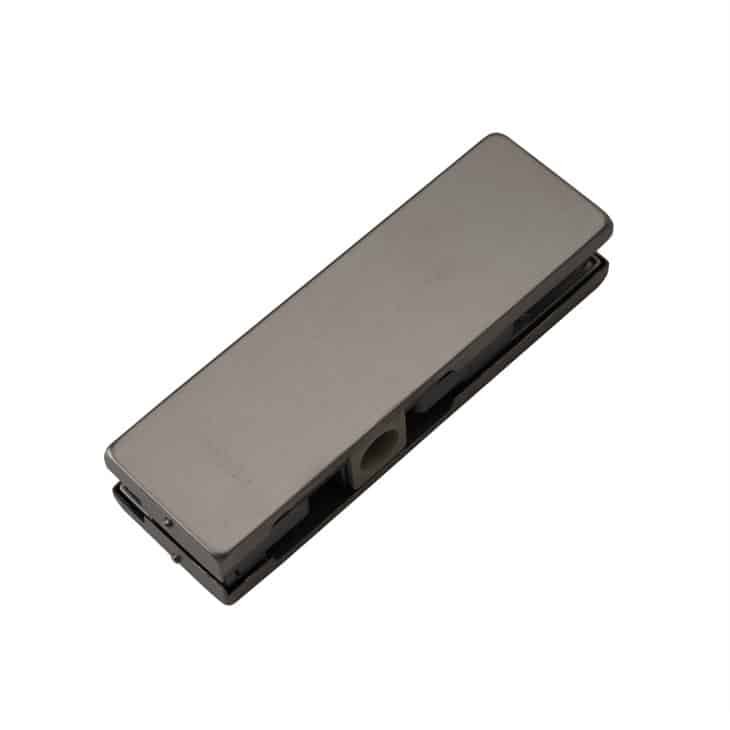
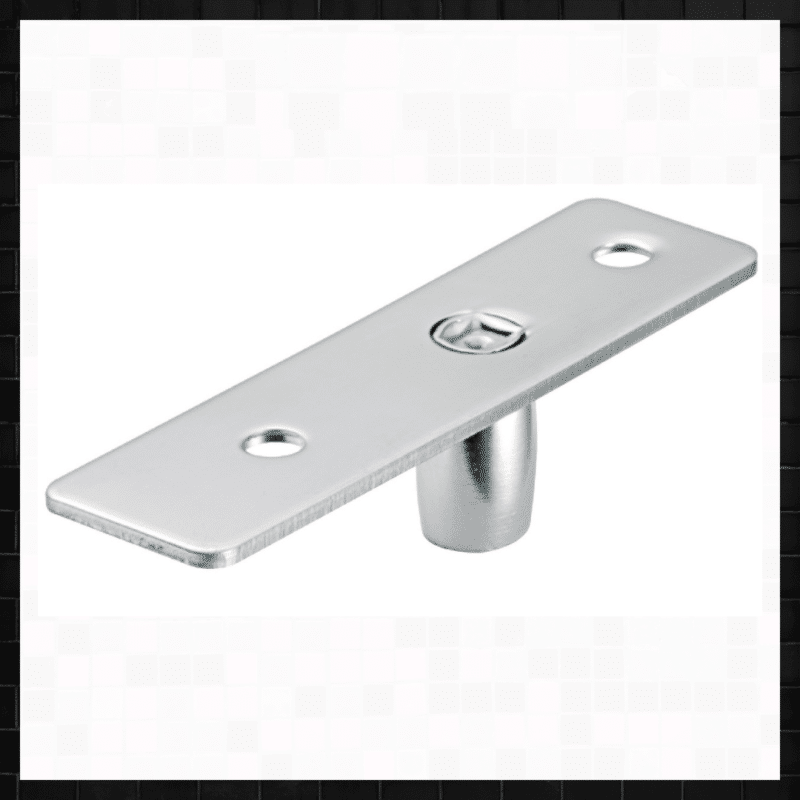
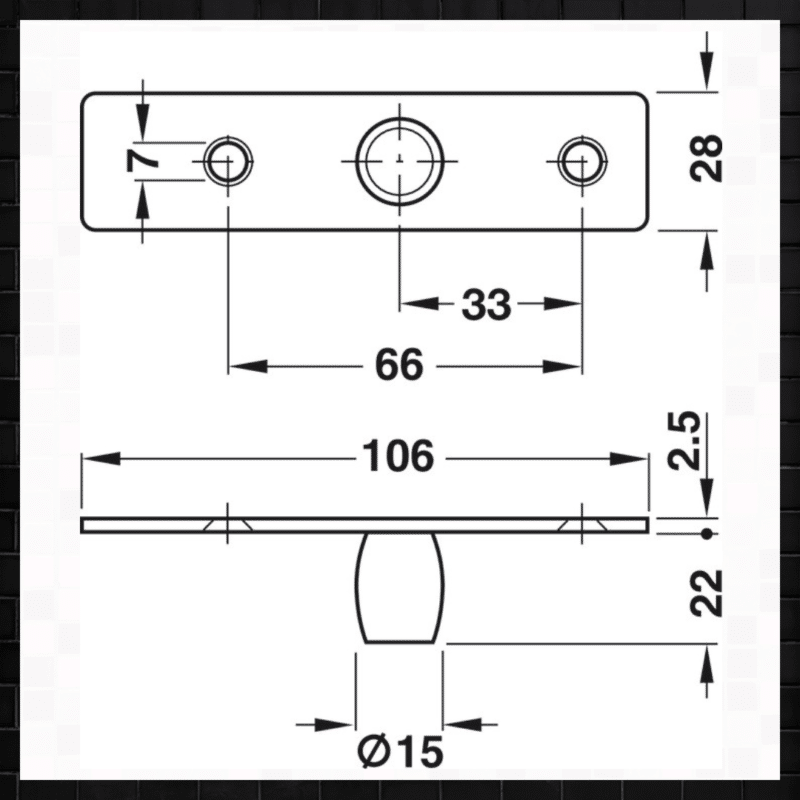
A floor spring is a hydraulic door closer recessed into the floor directly below the door pivot point. It serves as both the bottom pivot for the door and the hydraulic closing mechanism. The door has no visible hinge on the frame — it pivots on the floor spring below and a top pivot bracket above.

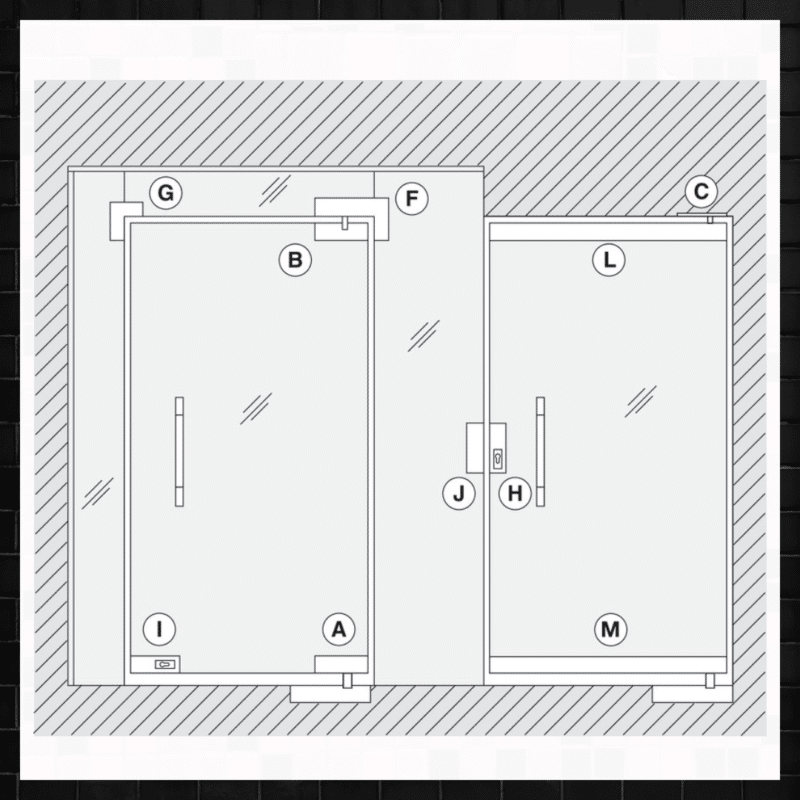
Floor springs are the standard specification for frameless glass entrance doors, heavy timber main doors, and commercial shopfront doors across Malaysia. For glass doors specifically, there is no practical alternative — a glass door cannot carry the weight of a surface-mounted overhead closer and arm.

Key specifications to confirm before purchase:

  • Load rating: Floor springs are available for doors from 60kg to 200kg and above. Confirm your door panel weight before specifying.
  • Recessed depth: Typically 70–90mm into the floor screed. In new builds, the floor spring box must be positioned before the screed is poured. In renovation projects, the existing tile and screed must be cut and routed — this requires a professional contractor.
  • Closing speed adjustment: Most floor springs provide two-speed adjustment — sweep speed and latch speed — via hex key screws accessible through the floor plate.

For glass door hardware and floor spring installation, see our full Glass Door Hardware Malaysia 2026 guide.

4. Hydraulic Hinge Closer (Integrated Hinge)

A hydraulic hinge closer looks identical to a standard butt hinge from the outside, but contains a built-in hydraulic closing mechanism inside the hinge barrel. When the door opens, the hydraulic mechanism compresses. When released, it drives the door closed in a controlled motion.

Hydraulic hinge closers are installed as a set — typically three hinges per door — with each hinge carrying a portion of the total closing force. They are suitable for lighter residential doors up to approximately 60kg.

In Malaysia, hydraulic hinge closers are popular in condominium units where building management rules prohibit visible overhead closers on unit entrance doors, or where the door frame construction does not allow for a surface-mounted unit. They provide automatic closing without any visible closer hardware on the door face.

Closing speed adjustment is done at the hinge barrel using a small hex key. The adjustment range is more limited than a dedicated overhead closer — typically sweep speed only, with no separate latch speed or backcheck control. For high-traffic commercial doors, a dedicated overhead closer is the better specification.

5. Electromagnetic Hold-Open Door Closer

An electromagnetic hold-open door closer combines a standard hydraulic overhead closer with a built-in electromagnet. When energised, the magnet holds the door open at a preset angle — typically 90° or 105°. When the magnet is de-energised, the door closes automatically under the hydraulic closer mechanism.

In Malaysian commercial buildings, electromagnetic hold-open closers are wired directly into the fire alarm panel. Under normal conditions, the magnet holds fire doors open for ease of passage. When the fire alarm activates, power to the magnets is cut, all held-open doors release simultaneously, and the hydraulic closers return every door to the closed position — containing fire and smoke spread in accordance with UBBL (Uniform Building By-Laws) and BOMBA requirements.

Electromagnetic hold-open closers must be wired by a licensed electrician. They are not suitable for standalone residential use unless connected to a compatible fire or security alarm system.

Understanding Door Closer EN Size Ratings

All door closers sold in Malaysia and internationally are rated according to the EN 1154 standard, which defines six closing force sizes — EN1 through EN6 — each matched to a range of door widths and weights.

EN SizeDoor WidthDoor WeightTypical Application in Malaysia
EN1Up to 750mmUp to 20kgLight internal residential doors
EN2Up to 850mmUp to 40kgStandard condo bedroom and bathroom doors
EN3Up to 950mmUp to 60kgCondo entrance doors, office internal doors
EN4Up to 1,100mmUp to 80kgOffice entrance doors, commercial internal doors
EN5Up to 1,250mmUp to 100kgHeavy commercial entrance doors, shopfronts
EN6Up to 1,400mmUp to 120kgExtra-wide commercial and institutional doors

Most Malaysian condominium unit entrance doors (900–950mm width, solid timber or steel) require EN3. Most commercial office entrance doors (1,000–1,050mm) require EN4. Heavy shopfront and lobby doors typically require EN4 or EN5.


Getting the EN size wrong is the most common door closer mistake in Malaysia. Fitting an EN2 closer on an EN4 door means the spring cannot control the door weight — the door slams because the hydraulic resistance is insufficient for the load. Always measure door width and estimate door weight before purchasing.

How to Choose the Right Door Closer for Malaysian Homes and Offices

Step 1 — Measure your door and estimate the weight. Measure the door width (frame to frame, not just the door leaf). Estimate the door weight — hollow-core doors are typically 15–25kg; solid timber doors 30–60kg; steel security doors 40–80kg; glass panels by thickness and size. Cross-reference with the EN size table above.

Step 2 — Identify your application. Residential condo entrance or bedroom door → overhead surface-mounted EN2–EN3, or hydraulic hinge closer. Commercial office entrance or corridor door → overhead surface-mounted EN3–EN4. Heavy timber or glass main entrance door → floor spring EN4–EN5. Premium residential or hotel with no visible hardware → concealed in-door closer. Fire door or commercial door requiring hold-open → electromagnetic hold-open closer wired to fire alarm.

Step 3 — Decide on visibility preference. If surface hardware is acceptable → surface-mounted overhead closer (most cost-effective, widest adjustment range). If no visible hardware is preferred → concealed in-door closer (higher cost, requires routed door preparation). If door is glass or very heavy → floor spring (only viable option for frameless glass doors).

Step 4 — Check backcheck requirement. Backcheck is a hydraulic resistance built into the closer that slows the door in the final 10–15° of its opening arc — preventing the door from slamming fully open against a wall or adjacent panel. Specify backcheck for any door that opens onto a corridor, adjacent glass panel, or wall without a dedicated door stopper. Most EN3 and above surface-mounted closers include adjustable backcheck as standard.

Step 5 — Select finish to match your door hardware. Standard finishes available in Malaysia: silver (aluminium), polished brass, satin stainless steel, and matte black (increasingly specified in modern Malaysian interiors). Match the closer arm and body finish to the door hinges and handle finish for a cohesive appearance.

Door Closer Adjustment — Closing Speed, Latch Speed & Backcheck

Most surface-mounted overhead door closers in Malaysia have two or three external adjustment screws on the closer body. Understanding what each one does prevents the two most common complaints: a door that slams shut and a door that does not fully latch.

Sweep speed controls the main closing arc — from the door’s fully open position to approximately 10–15° before the latch engages. Turning the adjustment screw clockwise increases resistance (slower closing). Anticlockwise decreases resistance (faster closing).

Latch speed controls the final closing arc — the last 10–15° before the latch engages. This should always be set slower than sweep speed to ensure the latch engages cleanly without the door bouncing off the frame. A door that slams and bounces back open almost always has latch speed set too fast.

Backcheck controls resistance in the opening arc — the resistance you feel when pushing the door to its maximum open position. Turning clockwise increases backcheck resistance, reducing the risk of the door being thrown open forcefully and damaging the wall or adjacent hardware.

Always adjust in small increments — one quarter turn at a time — and test the door after each adjustment before making further changes.

Where to Buy Door Closers in Malaysia

Acts ID Hardware stocks a complete range of door closers for Malaysian residential and commercial applications — including overhead surface-mounted closers (EN2–EN5), concealed in-door closers, floor springs, hydraulic hinge closers, and electromagnetic hold-open units.

Browse the full door closer range on our site, or WhatsApp our team at +6013-790 1266 with your door width, door weight, and application for a specific recommendation. We ship from Ulu Tiram, Johor, with free delivery on orders above RM 300 (West Malaysia).

Not sure which EN size fits your door? Send us your door dimensions via WhatsApp and we will confirm the right specification before you order

Frequently Asked Questions

What size door closer do I need for my door in Malaysia?

Match the EN size to your door width and weight. For most Malaysian condominium entrance doors (900–950mm, solid timber) specify EN3. For commercial office entrance doors (1,000–1,050mm) specify EN4. For heavy shopfront or lobby doors above 1,100mm, specify EN4 or EN5. The EN size table in this article provides the full reference. If you are unsure of your door weight, WhatsApp Acts ID with the door dimensions and material for a recommendation.

Why does my door closer slam the door shut?

The two most common causes are an undersized EN rating (the spring cannot control the door weight) and latch speed set too fast. Check the EN size first — if the closer is correctly sized for the door, adjust the latch speed screw one quarter turn clockwise to increase resistance in the final closing arc. If the door still slams after several adjustments, the closer is likely undersized for the door and needs to be replaced with the correct EN size.

Can I install a door closer myself in Malaysia?

A surface-mounted overhead closer can be installed by a competent DIYer in 30–60 minutes using a drill, screwdriver, and the supplied template. A concealed in-door closer requires a router and precise routing — recommended for a qualified carpenter only. A floor spring requires cutting into the floor screed — always done by a contractor, ideally before final floor tiling. An electromagnetic hold-open closer must be wired by a licensed electrician.

How long do door closers last in Malaysia?

Quality door closers are rated for 500,000–1,000,000 open/close cycles. At 20 cycles per day, that is 68–136 years operationally. In practice, hydraulic seals degrade over time — particularly in non-air-conditioned areas with high humidity. Expect 10–20 years from a quality unit in Malaysian conditions. Early warning signs of failure: hydraulic oil leaking from the body, the door no longer closing fully, or the arm becoming loose at the pivot. See our door hardware maintenance guide for servicing tips.

Do I need a door closer on a fire door in Malaysia?

Yes. Under Malaysian UBBL (Uniform Building By-Laws) and BOMBA fire safety requirements, all fire-rated doors must be fitted with a self-closing device. An overhead closer rated for the door size is the standard specification. For fire doors that need to be held open during normal building operation, an electromagnetic hold-open closer wired to the fire alarm panel is required — the doors release and close automatically when the alarm activates. A fire door propped open without a compliant closer is a fire safety violation subject to enforcement by BOMBA.