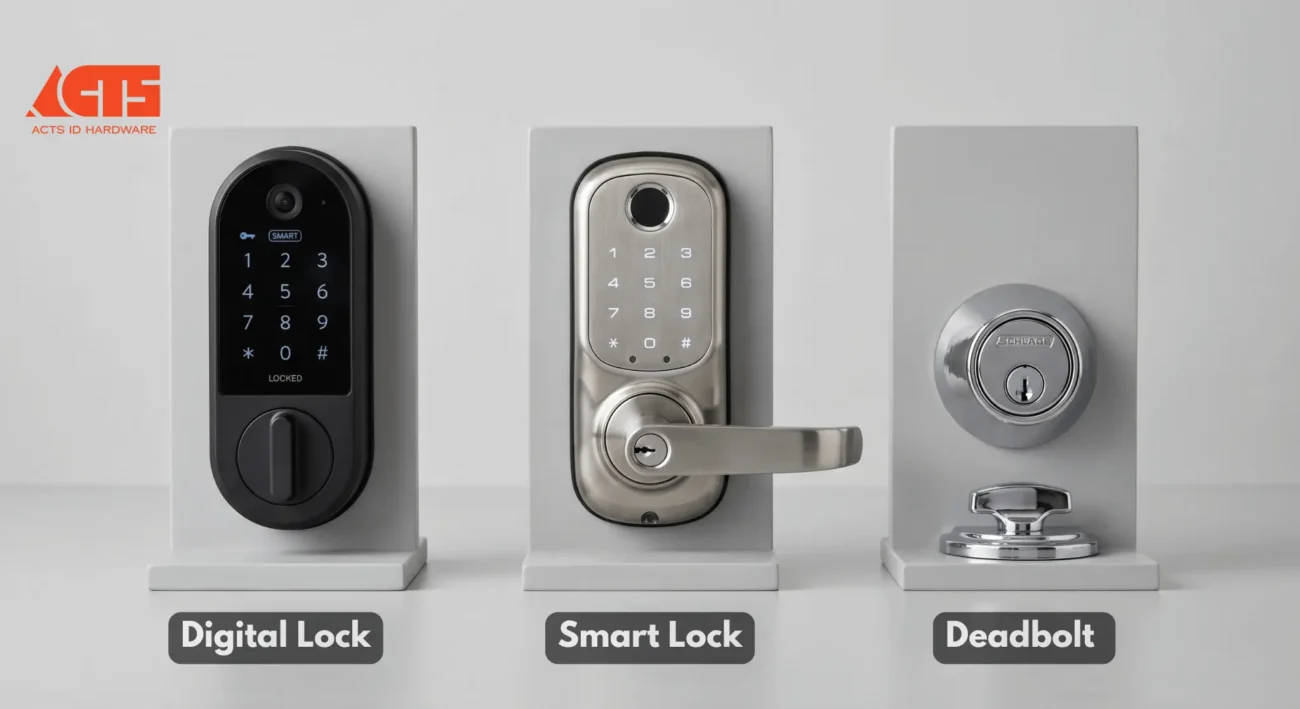
smart lock vs digital lock vs deadbolt Malaysia — three home door lock types compared

Smart Lock vs Digital Lock vs Deadbolt — Which Is Best for Malaysian Homes 2026?

Walk into any hardware store in Malaysia today and you’ll find three very different answers to the same question: how do I secure my front door? A smart lock controlled from your phone. A digital lock with a touchscreen keypad. Or a traditional deadbolt that’s been doing the job reliably for decades. The problem is that most buyers conflate all three — or assume the most expensive option is automatically the best. It isn’t. The right lock depends on your home type, how many people need access, your internet reliability, and how much you’re willing to spend on installation and maintenance. This guide breaks down all three options clearly, so you can make the right choice for your Malaysian home in 2026.

What Is a Smart Lock?

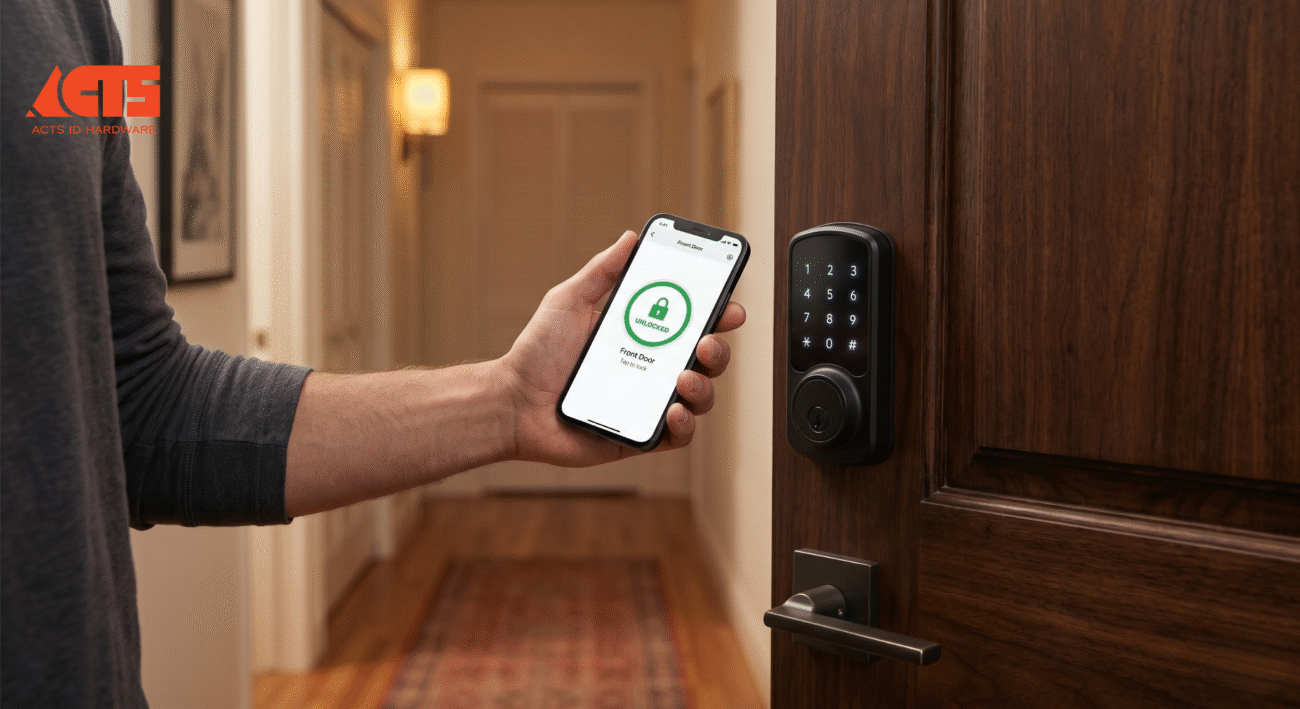
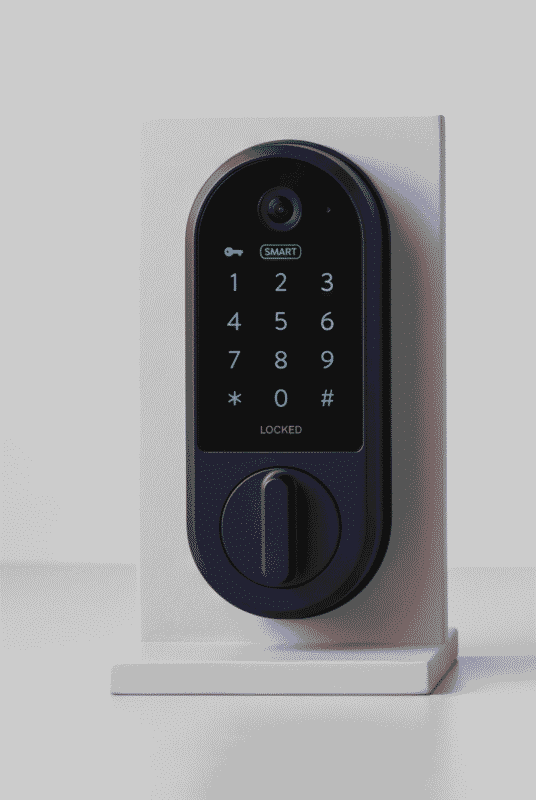
A smart lock is an electronic lock that connects to your home’s Wi-Fi or Bluetooth network, allowing it to be controlled remotely via a smartphone app. Most smart locks also support alternative access methods — PIN code, RFID card, or biometric fingerprint — so you’re not entirely dependent on your phone to get through the door.

The defining feature of a smart lock is remote control and automation. You can lock or unlock your door from anywhere in the world, receive real-time notifications when the door is opened, grant temporary access to visitors or service providers, and integrate the lock with smart home systems like Google Home, Amazon Alexa, or Apple HomeKit.

Common smart lock features in Malaysia:

  • Remote lock/unlock via smartphone app
  • Real-time access log (who opened the door, and when)
  • Temporary PIN codes for guests, cleaners, or Airbnb guests
  • Auto-lock after a set time
  • Integration with video doorbell systems
  • Wi-Fi or Bluetooth connectivity (some use both)
  • Emergency key override

Smart lock access methods (typical):

  • App control (primary)
  • PIN keypad
  • RFID card or fob
  • Fingerprint biometric
  • Physical key (emergency backup)

What Is a Digital Lock?

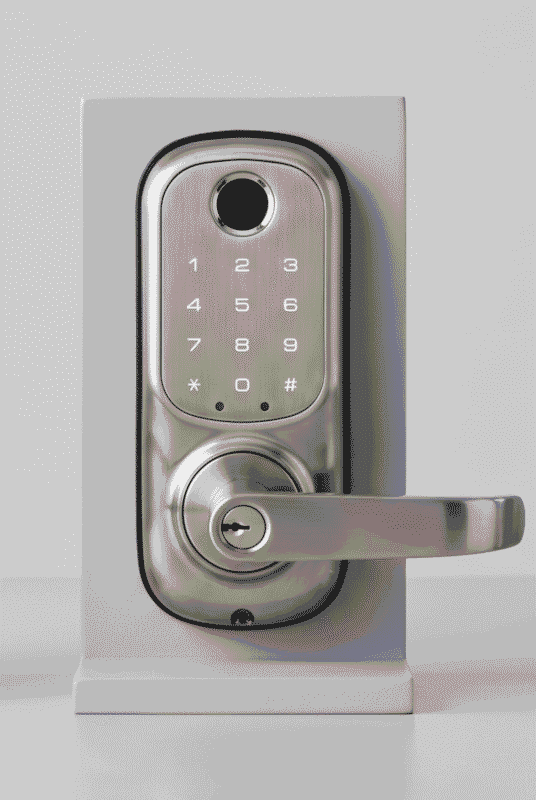
A digital lock is an electronic lock that operates without a physical key, using a PIN code, fingerprint, RFID card, or a combination of these to grant access — but without any internet connectivity or remote control capability.

This is the most common upgrade from a traditional key lock in Malaysian residential properties. Digital locks are standalone devices — they work independently of your Wi-Fi router or smartphone. If your internet goes down, the lock still works. If your phone dies, the lock still works.

Digital locks are significantly simpler than smart locks, which also makes them more reliable in day-to-day use. There are no app updates to manage, no connectivity issues to troubleshoot, and no cloud server dependency.

Common digital lock features:

  • PIN code access (typically 4–10 digits)
  • Fingerprint reader (most models, response time 0.3–1 second)
  • RFID card or fob
  • Anti-peep password (enter random digits before and after your real PIN so observers cannot identify the code)
  • Auto-lock after door closes
  • Physical key backup
  • Tamper alarm (triggers if the unit is forcibly attacked)
  • No internet connection required

What Is a Deadbolt?

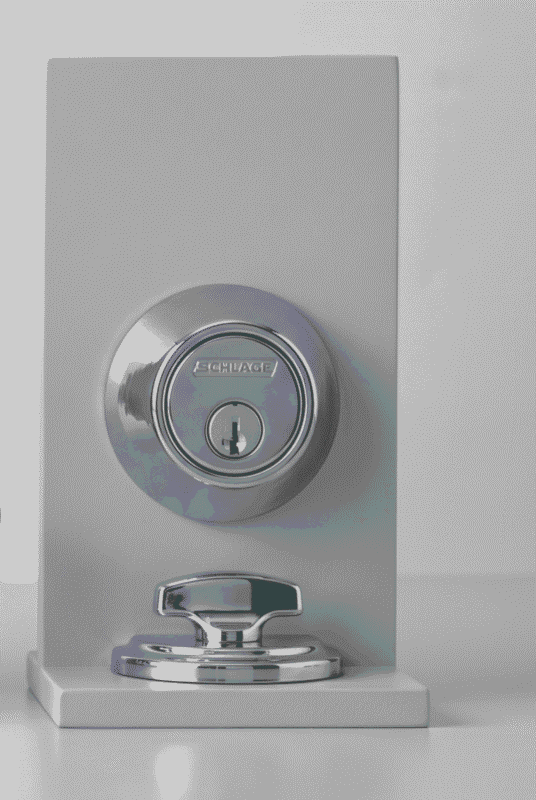
A deadbolt is a mechanical lock with a solid steel bolt that extends from the door edge into the door frame, driven by a rotating cylinder on the inside and a key on the outside. Unlike spring latches, a deadbolt cannot be pushed back without rotating the cylinder — there is no spring mechanism to manipulate.

A single-cylinder deadbolt uses a key outside and a thumb turn inside. A double-cylinder deadbolt requires a key on both sides — less common in Malaysian homes but used in doors with glass panels where reaching through broken glass to turn a thumb turn would defeat the lock.

Deadbolts have no electronics, no battery, no connectivity, and no moving parts beyond the bolt and cylinder. They are the most mechanically reliable lock type available and have been the standard for residential security for well over a century.

Deadbolt characteristics:

  • No battery or power required
  • No app, no Wi-Fi, no connectivity dependency
  • Single or double cylinder options
  • High-quality deadbolts resist kick-in, picking, and drilling
  • Completely silent operation
  • No maintenance beyond occasional lubrication
  • Upgradeable with high-security cylinders (anti-pick, anti-bump, anti-drill)

Smart Lock vs Digital Lock vs Deadbolt — Direct Comparison

FeatureSmart LockDigital LockDeadbolt
Remote accessYes (via app)NoNo
Keyless entryYesYesNo (key required)
Works without internetPartialYesYes
Works without powerNo (battery)No (battery)Yes
Access log / audit trailYesSome modelsNo
Temporary guest accessYesLimitedNo
Smart home integrationYesNoNo
Installation complexityHighMediumLow
Average cost in Malaysia (RM)RM 800 – 2,500+RM 400 – 1,200RM 80 – 350
Battery life6–12 months6–18 monthsNot applicable
Mechanical reliabilityMediumMedium-HighVery High
Best forAirbnb, smart homesMost Malaysian homesBudget, secondary doors

Smart Lock — Pros & Cons for Malaysian Homes

Advantages

Remote access is genuinely useful. If you have domestic help, regular deliveries, elderly parents, or children who frequently forget their keys, the ability to unlock your door remotely from your phone eliminates a recurring household problem.

Airbnb and rental property management. For property investors running short-term rentals in Malaysia, smart locks are operationally transformative. You can issue unique time-limited PIN codes to each guest, track check-in and check-out times, and change access credentials between stays — all without being physically present.

Audit trail. Every access event is logged with a timestamp and the method used. For households with children or domestic help, this provides genuine peace of mind.

Auto-lock. Smart locks can be programmed to lock automatically after a set period — typically 30 seconds to 5 minutes after the door closes.

Disadvantages

Wi-Fi dependency for remote features. Smart lock remote control requires a stable internet connection. Malaysia’s internet reliability has improved significantly but is not perfect — particularly in older condominiums and landed properties in less densely served areas.

Higher cost. Quality smart locks in Malaysia from brands such as Hafele, Samsung, and Igloohome start from RM 800 and can exceed RM 2,500 for full-featured models. Installation by a qualified locksmith adds RM 100–250 to the total.

App and firmware dependency. Smart locks depend on manufacturer-maintained apps and cloud infrastructure. If a manufacturer discontinues support for an older model, remote features may stop working.

Battery management. Smart locks consume more power than digital locks due to constant Wi-Fi or Bluetooth connectivity. Expect to change batteries every 6–12 months.

smart lock by actsID
digital lock by actsID (1)

Digital Lock — Pros & Cons for Malaysian Homes

Advantages

The practical sweet spot for most Malaysian homes. Digital locks provide keyless convenience, multiple access methods, and solid security without the cost, complexity, or connectivity dependency of a smart lock. For the majority of Malaysian homeowners and families, a digital lock does everything they actually need.

Works without internet. A digital lock operates entirely independently. No router, no app, no cloud server. This makes it far more reliable in daily use — there is nothing to go wrong beyond the battery.

Multi-user access without complexity. Most digital locks support 10–100 user fingerprints and multiple PIN codes. Adding or removing a family member, housekeeper, or regular visitor is done directly on the lock panel in under two minutes.

Anti-peep PIN. The anti-peep feature allows users to type random digits before and after their real PIN. Anyone watching will see a longer string of digits with no way to identify which subset is the actual code.

Tamper alarm. Quality digital locks trigger an audible alarm if the unit is struck repeatedly or multiple incorrect PINs are entered in succession.

Disadvantages

No remote access. You cannot unlock a digital lock from outside your Bluetooth range. If a visitor arrives unexpectedly while you are out, they wait.

Limited guest access management. Adding a temporary PIN requires physical access to the lock panel. You cannot issue a time-limited PIN remotely the way a smart lock allows.

Battery maintenance still required. Digital locks run on batteries — typically AA or AAA in sets of four to eight. Battery life is usually 6–18 months depending on usage frequency.

Deadbolt — Pros & Cons for Malaysian Homes

Advantages

Mechanically bulletproof. A quality deadbolt with a high-grade cylinder, installed into a reinforced strike plate with three-inch screws, is extremely resistant to kick-in attacks — the most common forced-entry method in Malaysian residential break-ins.

Zero ongoing cost. No battery, no app subscription, no firmware update. Once installed, a good deadbolt requires only a drop of lubricant every few years.

No power dependency. In the event of a power outage or extended period away, a deadbolt continues to function exactly as normal.

Low cost. Quality deadbolts in Malaysia are available from RM 80 for basic options to RM 350 for high-security cylinders with anti-pick and anti-bump protection.

Disadvantages

Keys. Every member of the household needs a physical key. Keys get lost, copied without authorisation, and left inside — creating lockout situations and security vulnerabilities that digital solutions eliminate.

No access log. There is no way to know who entered, when, or how many times.

No remote or keyless capability. A deadbolt provides no convenience features beyond its core security function.

deadboltby actsID
smart lock Malaysia — smartphone app unlocking front door remotely

Which Lock Is Right for Your Malaysian Home?

Choose a smart lock if:

  • You manage an Airbnb or short-term rental property
  • You have frequent visitors, delivery personnel, or a rotating roster of domestic helpers
  • You want full smart home integration (automated scenes, remote monitoring)
  • Your home has stable, reliable Wi-Fi
  • Budget is not the primary constraint

Choose a digital lock if:

  • You want keyless convenience for your family without connectivity complexity
  • You live in a condominium, apartment, or landed home where remote access is not a priority
  • You want a reliable, low-maintenance upgrade from a traditional key lock
  • Budget is RM 400–1,200

Choose a deadbolt if:

  • You want maximum mechanical security on a secondary door, back door, or gate
  • You are retrofitting security on a rental property where electronics are not appropriate
  • Budget is under RM 350
  • You want a zero-maintenance, no-battery solution

The most practical recommendation for Malaysian homes in 2026:

A digital lock as the primary front door lock, paired with a quality deadbolt on the back door or service entrance. This gives you keyless convenience at the main entry point and mechanical reliability at secondary access points — at a combined cost of RM 500–1,500 depending on specifications.

Recommended Models Available in Malaysia

Acts ID stocks a curated selection of digital and smart locks for the Malaysian market, including options from Hafele and the Premier XT range. Our team can advise on the right model for your door type (HDB-style, grille door, timber door, or aluminium frame), door thickness, and budget.

Browse the smart lock and digital lock range on our site, or WhatsApp our team at +6013-790 1266 for a recommendation. We ship from Ulu Tiram, Johor, with free delivery on orders above RM 300 (West Malaysia).

For more on smart lock installation costs specific to Johor and KL, see our dedicated Smart Lock Installation Cost breakdown.

Frequently Asked Questions

What is the difference between a smart lock and a digital lock?

A digital lock provides keyless access via PIN, fingerprint, or RFID card but has no internet connectivity — it works as a standalone device. A smart lock adds Wi-Fi or Bluetooth connectivity, allowing remote control via a smartphone app, real-time access notifications, and integration with smart home systems. A digital lock is simpler and more reliable day-to-day; a smart lock is more capable but more complex and expensive.

Are smart locks safe to use in Malaysia?

Quality smart locks from established brands are safe to use in Malaysian conditions. Key considerations: choose a lock with AES 128-bit or higher encryption for the app connection; ensure the lock has a physical key override in case of battery failure or connectivity loss; and avoid unbranded smart locks with unknown security protocols. All smart locks sold by Acts ID come from brands with independently verified security certifications.

How long do digital lock batteries last in Malaysia?

Battery life varies by model and usage frequency. Most digital locks in Malaysian homes see 20–60 open/close cycles per day. At this usage rate, a standard set of AA batteries in a quality digital lock lasts 8–18 months. Higher-frequency households — condos with multiple family members and domestic help — can expect 6–10 months. All digital locks provide a low-battery indicator before the battery is fully depleted.

Can I install a smart lock or digital lock myself in Malaysia?

Digital locks with a standard mortise prep (the standard cutout in most Malaysian timber and HDB-style doors) can be installed by a competent DIYer with basic tools in 30–60 minutes. Smart locks with Wi-Fi modules require additional app configuration time. If your door does not have the standard mortise prep, professional installation by a locksmith is recommended — incorrect fitment voids most warranties and can result in the door failing to latch properly.

What is the best digital lock for a Malaysian condominium?

The best digital lock for a Malaysian condo is one that fits the standard condo door thickness (typically 35–45mm), uses fingerprint and PIN as primary access methods, has an anti-peep PIN function, and includes a tamper alarm. Acts ID recommends discussing your specific door dimensions before purchase — condo door preps vary between developers. WhatsApp our team with your door thickness and we will confirm compatibility before you buy.