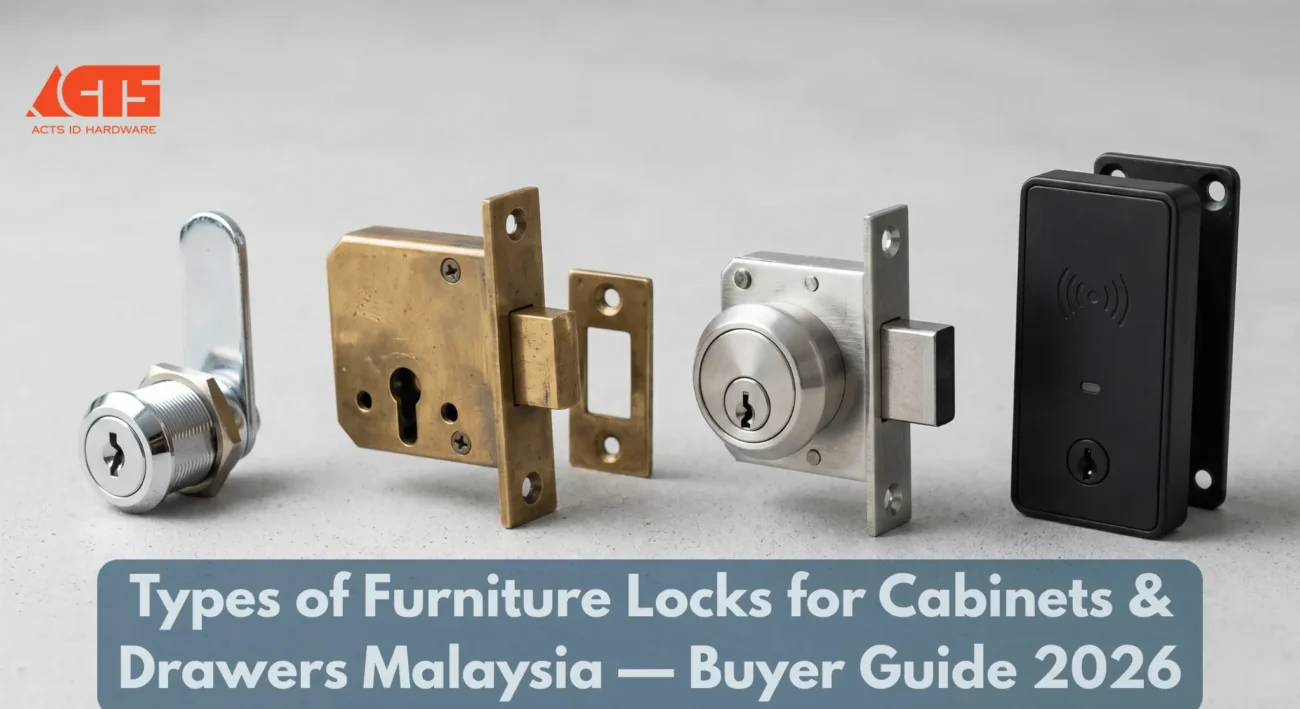
Types of Furniture Locks for Cabinets & Drawers Malaysia — Buyer Guide 2026
A cabinet without a lock is just an open shelf with a door. Whether you’re securing office files, protecting medications in a clinic, safeguarding tools in a workshop, or keeping valuables away from children at home, the right furniture lock makes the difference between genuine security and the illusion of it. The problem is that most buyers in Malaysia don’t realise there are over a dozen distinct furniture lock types — each designed for a specific door or drawer construction, key mechanism, and security level. Choosing the wrong type means either poor fitment, insufficient protection, or a lock that fails within months. This guide covers every major furniture lock type for cabinets and drawers in Malaysia, with clear guidance on which works best for each application.
What Is a Furniture Lock?
A furniture lock is a mechanical or electronic locking mechanism built into or mounted onto a piece of furniture — typically a cabinet door, drawer, or flap door — to restrict unauthorised access. Unlike door locksets, furniture locks are designed to work within thin panel materials (typically 15–25mm thick), with compact cylinder bodies and shorter bolt throws.
Furniture locks are used across a wide range of environments in Malaysia: residential cabinets and wardrobes, office filing cabinets, retail display cases, medical and pharmacy storage, school and dormitory lockers, and commercial storage systems.
The main variables that differentiate furniture lock types are:
- Mounting method — rim-mounted, cam lock, or mortise
- Key type — cylinder key, tubular key, or cam key
- Bolt mechanism — rotating cam, deadbolt, or sliding bar
- Material and finish — chrome, stainless steel, zinc alloy, brass
- Application — drawer, cabinet door, glass door, flap door, or locker
Cam Locks — The Most Common Furniture Lock in Malaysia
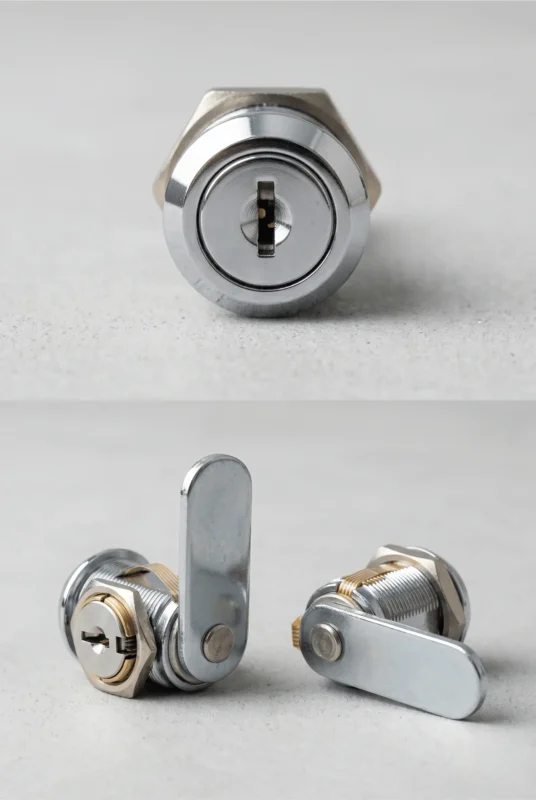
Cam locks are the most widely used furniture lock type in Malaysia, found in everything from office filing cabinets to pharmacy counters, point-of-sale storage, and residential cabinets.
The mechanism is simple: a cylinder body (typically 19mm or 22mm in diameter) is inserted through a hole drilled in the panel. A flat metal plate — the cam — is attached to the back of the cylinder. When the key turns, the cam rotates and catches behind the cabinet frame or drawer housing, locking the door or drawer in place.
When to use cam locks:
- Filing cabinets and office storage
- Thin cabinet doors (15–25mm panel thickness)
- Drawers in office, retail, or workshop environments
- Display cases with thin aluminium frames
- Any application where quick installation is required
Cylinder length matters
Cam locks are available in multiple cylinder lengths to match different panel thicknesses — typically 16mm, 19mm, 22mm, and 25mm cylinder depths. Always measure your panel thickness before ordering. A cylinder that is too short will not engage the cam properly; one that is too long will protrude excessively on the inside face.
Key options:
Cam locks are available with cylinder keys (the most common), tubular/ace keys (used in lockers and vending machines), and master-keyed systems where one master key opens multiple different locks — useful for offices, clinics, and schools managing multiple cabinets.
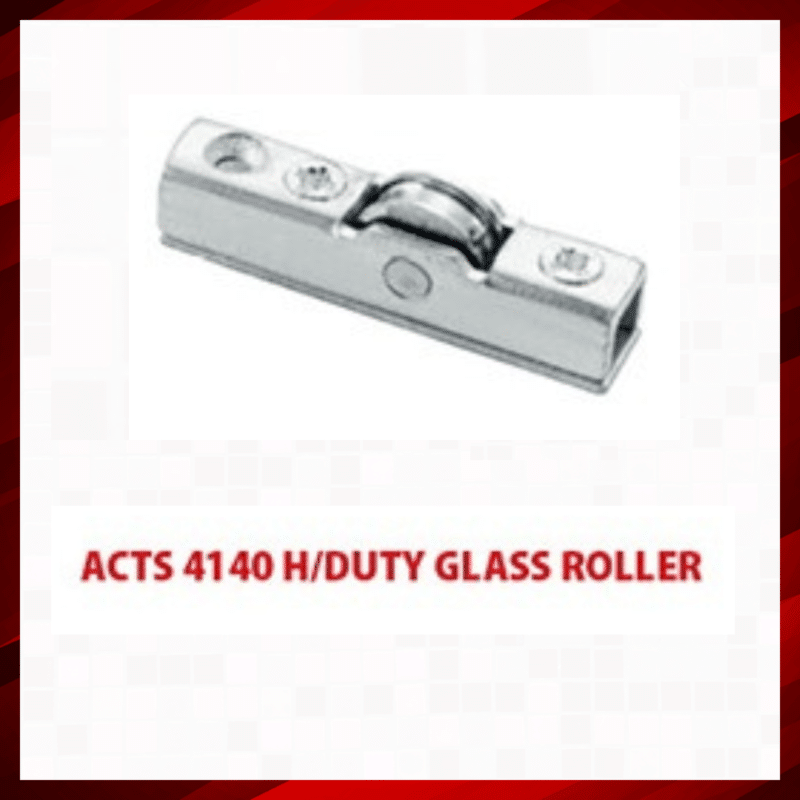
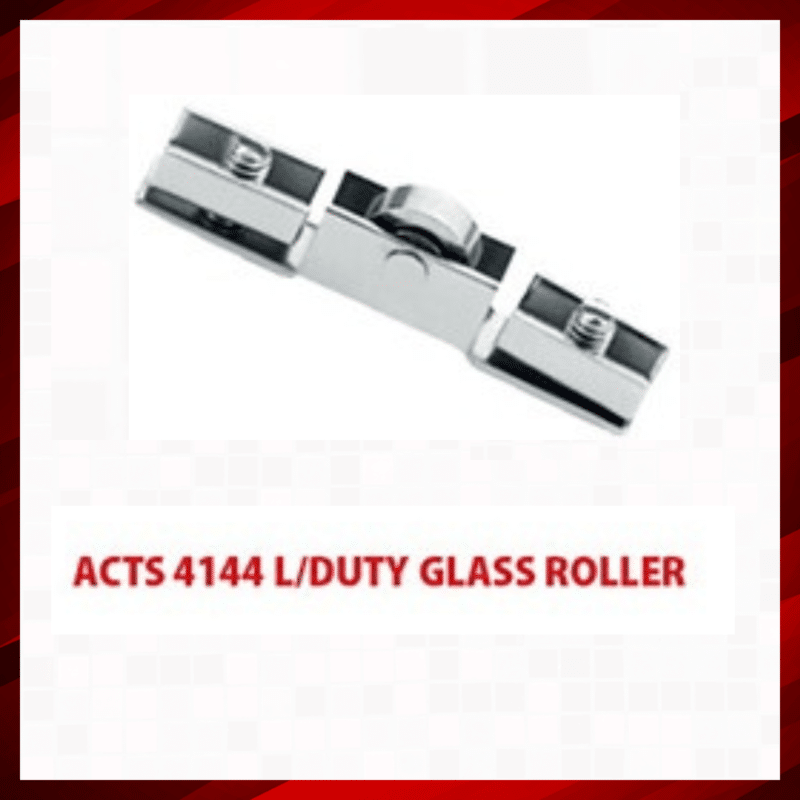
ACTS 4140 / 4144 GLASS ROLLER
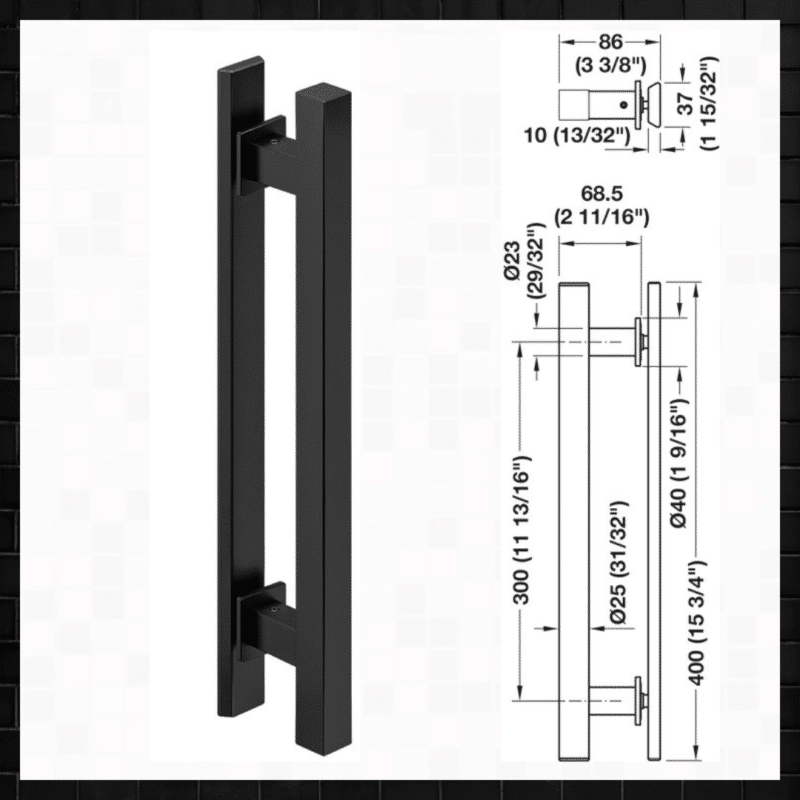
RM2.4 – RM3.3Price range: RM2.4 through RM3.3HAFELE Flush pull handle for sliding doors, Aluminium, one-sided, square
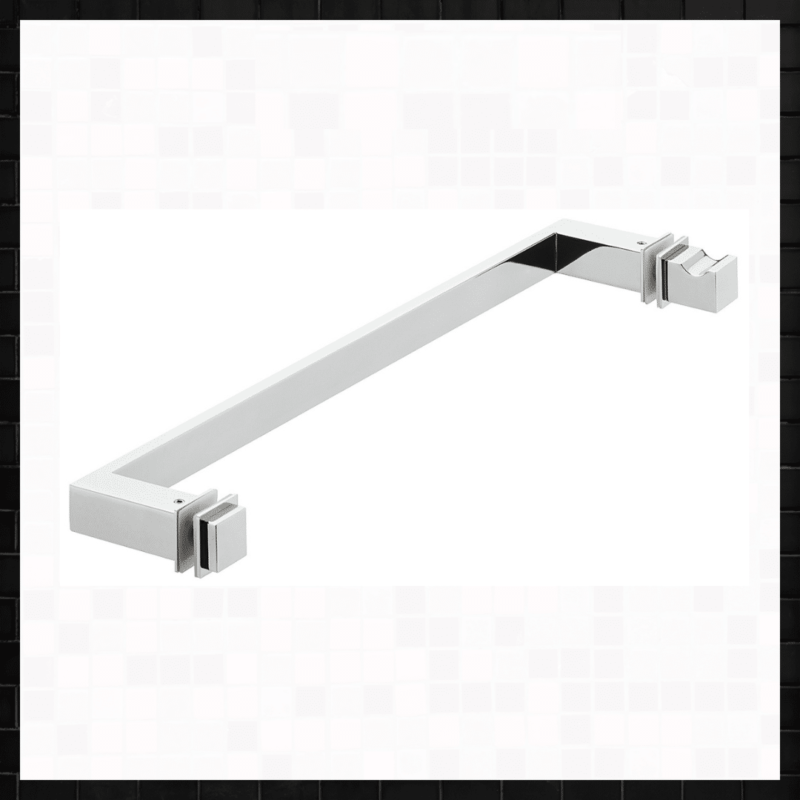
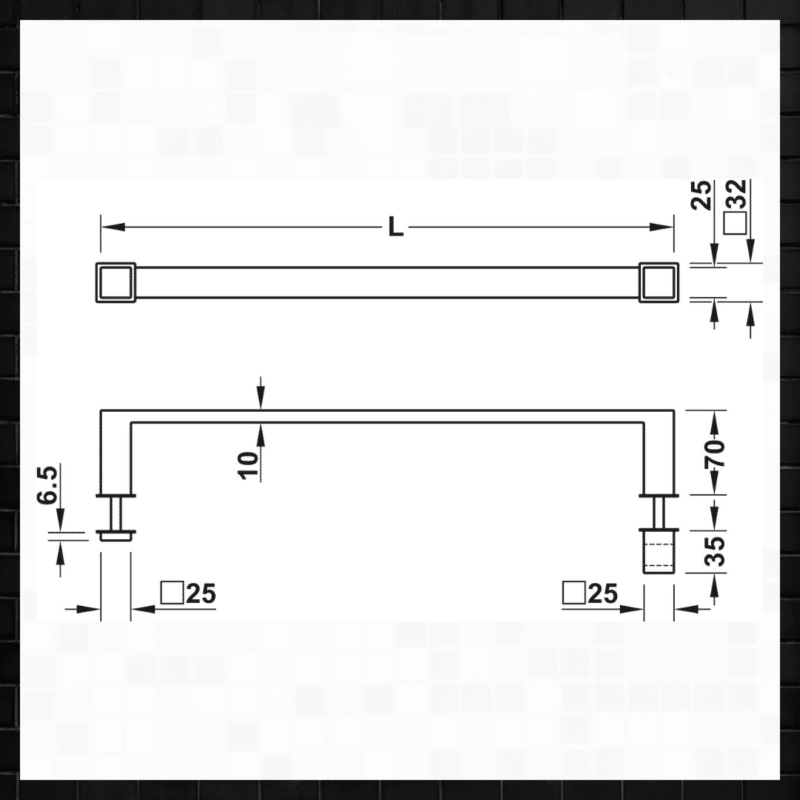
RM718.0 – RM786.0Price range: RM718.0 through RM786.0
Drawer Locks — Purpose-Built for Drawer Applications
Drawer locks are designed specifically for the top edge of a drawer face, engaging into the cabinet frame above when locked. They differ from cam locks in that they use a sliding or pivoting bolt rather than a rotating cam, which provides a more positive lock engagement and greater resistance to forced entry.
Two main types:
Standard drawer lock (cylinder type): A cylinder lock body mounted on the drawer face. The bolt projects upward into a strike plate recessed into the cabinet frame directly above. Turning the key retracts the bolt, allowing the drawer to open. These provide better pull-out resistance than cam locks and are preferred for drawers containing higher-value items.
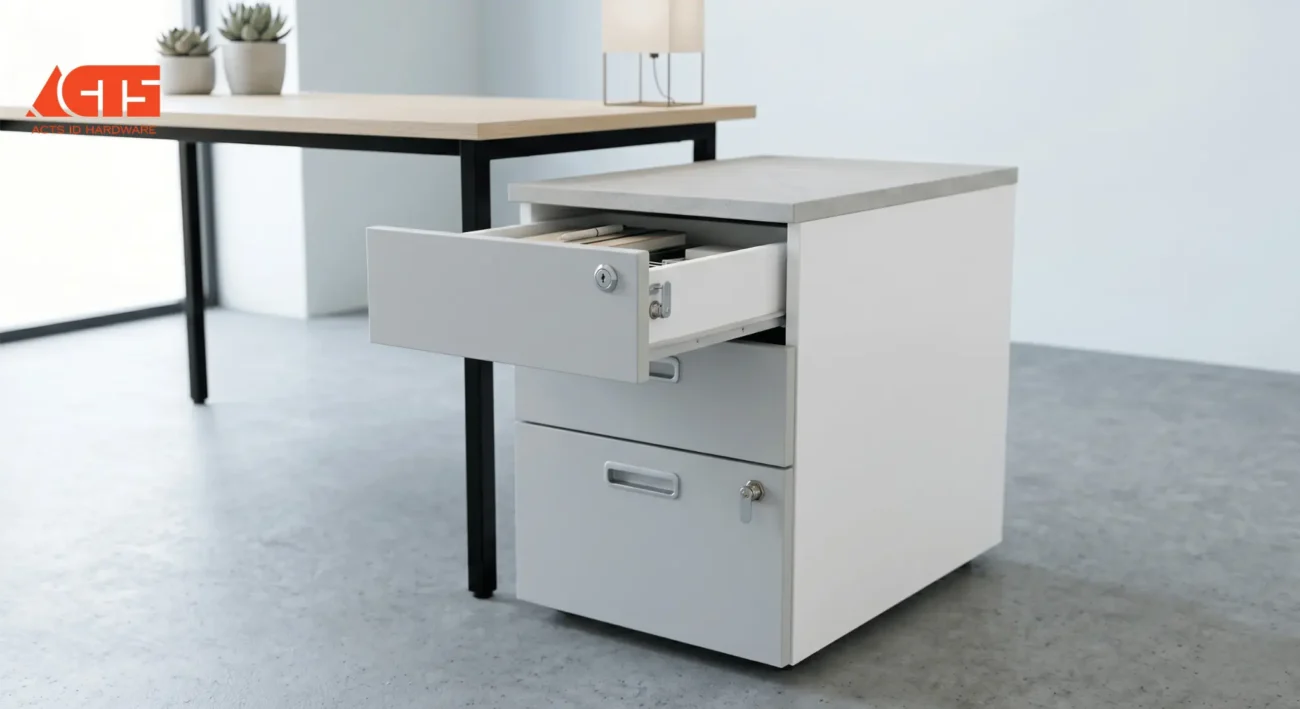
Linking drawer lock (gang lock system): A single lock on the top drawer is connected via a vertical rod to locking bars on all drawers below, so one key locks and unlocks all drawers simultaneously. This is the standard configuration for multi-drawer office pedestal units and filing cabinets in Malaysia.
When to use drawer locks:
- Multi-drawer office pedestal units (gang lock)
- Kitchen or workshop drawers containing tools or sharp instruments
- Medical or pharmacy storage drawers
- Drawers in reception counters or retail counters
Cupboard Door Locks — For Swing-Door Cabinets
Cabinet or cupboard door locks are designed for swing-opening cabinet doors. They mount on the inside face of the door and engage a bolt or hook into the cabinet frame or a separate strike plate.
Mortise cupboard lock: The lock body is recessed (mortised) into the edge of the door panel. The bolt projects out of the door edge and engages the cabinet frame. This gives a clean, flush finish with no visible lock body on the door face — only the keyhole escutcheon. Common in wooden cabinetry and custom joinery.
Surface-mounted cupboard lock: The lock body sits on the inside face of the door panel. Simpler to install than a mortise lock — requires only a key hole through the door and screws to attach the body. Common in flat-pack and commercial cabinetry.
Hasp and staple with padlock: Not a lock in itself, but a locking system used on heavy-duty storage cabinets, tool cabinets, and outdoor storage in Malaysia. A hinged metal plate (hasp) is mounted on the door; a fixed loop (staple) is mounted on the frame. A padlock passes through both. Suitable for high-load or high-vibration environments.
When to use cupboard door locks:
- Home storage cabinets — medication, alcohol, cleaning chemicals
- Office document cabinets and filing cupboards
- Retail back-room storage
- School storage rooms and equipment cabinets
Glass Door Cabinet Locks
Glass cabinet doors — common in retail display cases, kitchen cabinets with glass panels, and office display shelving — require a different locking approach because drilling into glass is not practical.
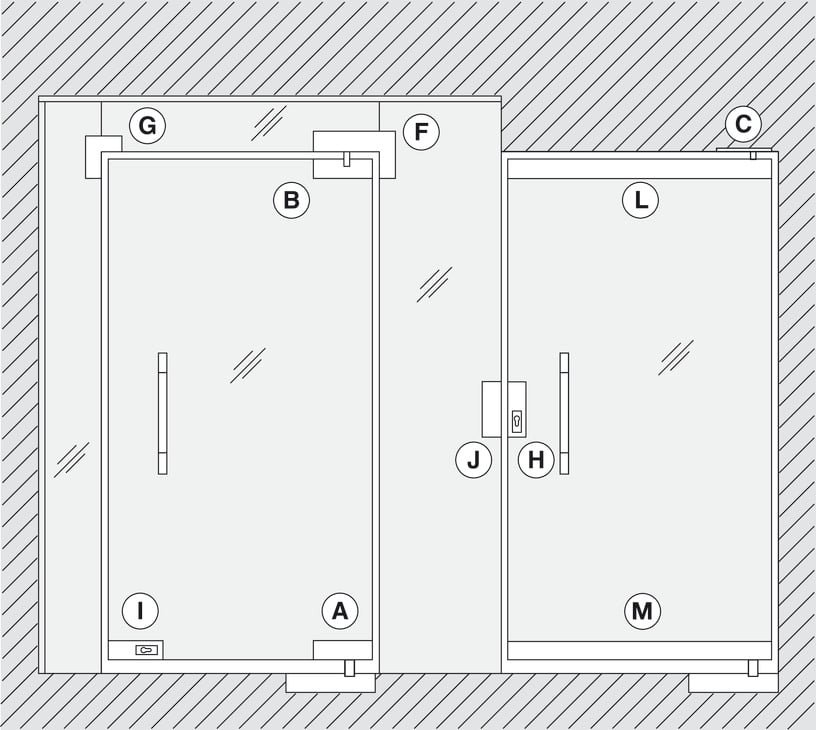
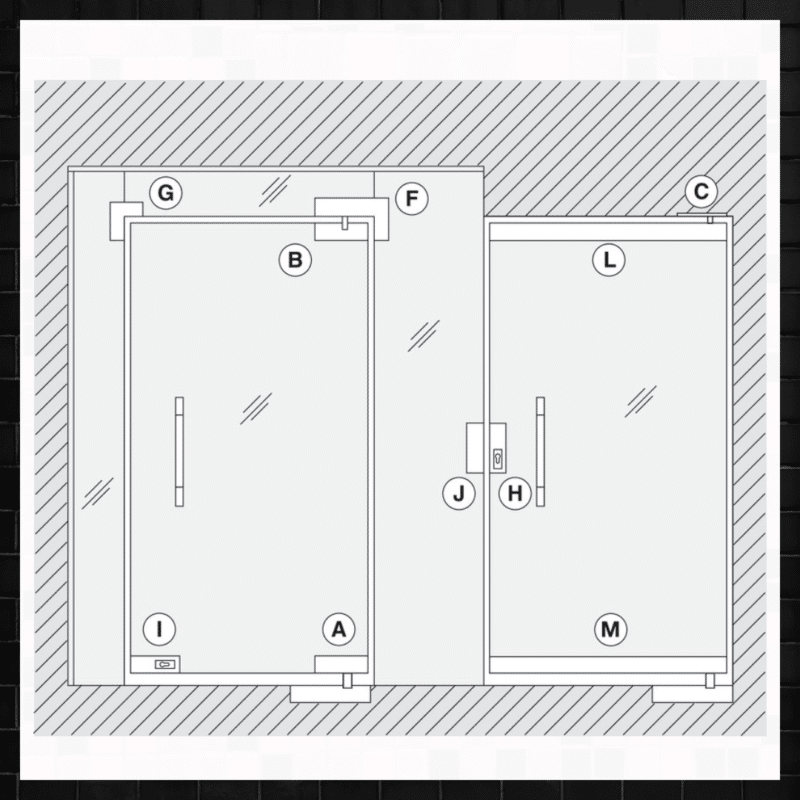
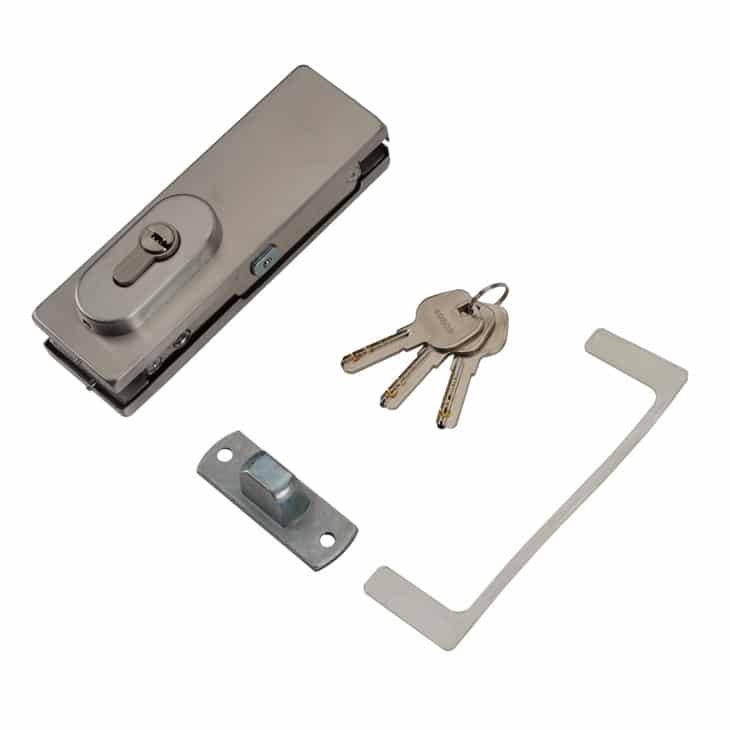
Frameless glass door lock: A spring-loaded or screw-fixed lock that clamps onto the edge of a frameless glass door panel (typically 5–10mm glass thickness). The lock body mounts on the adjacent frame or panel, and a bolt or pin engages a receiver on the glass door edge. No drilling into glass required.
Glass door cam lock (with glass insert): A modified cam lock designed to mount on the wooden or aluminium frame adjacent to a glass door, with a bolt that catches a metal strike receiver attached to the glass door edge or frame.
Sliding glass door lock: For glass doors in a sliding track. A bolt passes through the frame and into the track channel, preventing the door from sliding. Simpler than a full cylinder lock, used primarily to prevent casual access rather than as a high-security measure.
When to use glass door locks:
- Retail jewellery and display cases
- Kitchen glass cabinet panels
- Office and reception display shelving
- Museum display cases
Electronic and Digital Furniture Locks
Electronic furniture locks are increasingly common in Malaysian offices, hotels, and premium residential storage. They eliminate the need for physical keys, which is a significant advantage in environments where multiple users need access or where key loss is a recurring operational problem.
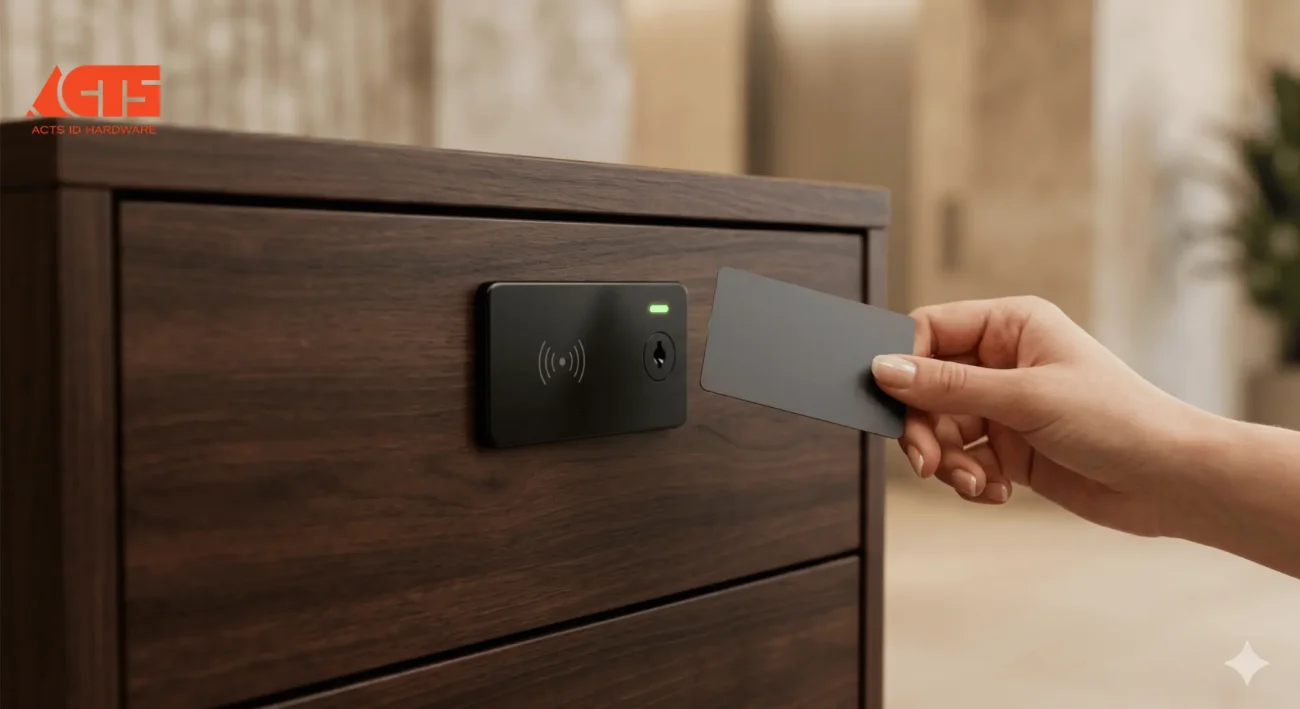
RFID furniture lock: The lock body is mounted inside the cabinet or drawer (invisible from outside). A small RFID card or fob is presented to the reader panel on the door or drawer face. No keyhole is visible. Common in hotel room safes, office lockers, and premium cabinetry. Acts ID stocks RFID cam locks compatible with standard 19mm and 22mm drill holes.
Keypad / PIN furniture lock: A digital keypad on the drawer or door face. The user enters a PIN to unlock. Suitable for shared-use environments such as clinic medicine cabinets, shared office drawers, or server room storage where an audit trail is needed.
Biometric furniture lock (fingerprint): Less common but available for high-security applications. Fingerprint reader replaces keyhole. Used in executive office drawers, safe cabinets, and gun storage in licensed premises.
Key considerations for electronic locks in Malaysia:
- Battery life — most electronic furniture locks are battery-powered. In high-humidity environments, check the battery compartment sealing.
- Backup access — all reputable electronic locks include a physical key override in case of battery failure or forgotten PIN.
- Power source — in built-in cabinetry, wired electronic locks provide a cleaner installation and eliminate battery replacement.
Locker Locks — For Multi-User Environments
Locker locks are a specific category designed for gym lockers, school lockers, office lockers, and dormitory storage in Malaysia. The key requirement is durability under very high usage cycles and resistance to attempted forced entry.
Key-return cam lock: The key can only be removed when the lock is in the locked position. Prevents users from walking away with a locker open — standard in Malaysian school and gym lockers.
Combination locker lock: No key required. A dial or push-button combination opens the lock. Eliminates key management entirely — useful for public gyms, co-working spaces, and event venues.
Electronic locker lock (RFID or PIN): Touch-panel locker locks are increasingly specified in premium gyms, airport lounges, and corporate offices in Malaysia. They allow temporary assignment to users with a single-use PIN or RFID token, with automatic release after a set period.
How to Choose the Right Furniture Lock in Malaysia
Use this decision guide before purchasing:
Step 1 — Identify your door or drawer type. Drawer → drawer lock or cam lock. Swing cabinet door (wood/laminate) → cupboard door lock (mortise or surface mount). Swing cabinet door (glass) → glass door cam lock or frameless glass lock. Locker → key-return cam lock or combination lock.
Step 2 — Determine your security level requirement. Low (general household storage) → standard cam lock is sufficient. Medium (office files, retail stock, school supplies) → drawer lock with a gang system, or cupboard mortise lock. High (medication, valuables, cash, controlled items) → electronic RFID or PIN lock, or high-security cylinder cam lock with restricted key system.
Step 3 — Measure your panel thickness. This is the most overlooked step. Cylinder depth must match panel thickness. Measure the door or drawer face thickness (not the full cabinet depth) before selecting a cam lock or cylinder lock.
Step 4 — Consider key management. Single user, home use → standard key cylinder. Multiple users, one building → master-keyed cam lock system. High-turnover users (gym, co-working) → combination or RFID lock. No key management desired → electronic PIN or biometric lock.
Step 5 — Select finish based on environment. Indoor, air-conditioned → chrome or zinc alloy is fine. Humid room, outdoor-adjacent storage → stainless steel or powder-coated finish only. Healthcare / food preparation area → stainless steel only (hygiene compliance).
Where to Buy Furniture Locks in Malaysia
Acts ID Hardware supplies a full range of furniture locks in Malaysia — from standard cam locks and drawer locks to RFID and electronic options. We stock sizes for panel thicknesses from 15mm to 30mm, with individual and bulk purchase options for contractors, ID firms, and facility managers.
Browse the furniture lock range on our site, or WhatsApp our team at +6013-790 1266 with your panel thickness, application, and quantity for a recommendation. We ship from Ulu Tiram, Johor, with free delivery on orders above RM300 (West Malaysia).
Frequently Asked Questions
What is the most common furniture lock type used in Malaysia?
Cam locks are the most widely used furniture lock in Malaysia across residential, office, and commercial applications. They are compact, easy to install, and available in a wide range of cylinder depths and key types. For higher security requirements — particularly in drawers containing valuable items — drawer locks with deadbolts or linking (gang) systems are preferred.
What size cam lock do I need for my cabinet?
The critical measurement is your panel thickness — the thickness of the door or drawer face material, not the depth of the cabinet. Standard cam lock cylinder depths are 16mm, 19mm, and 22mm. For most Malaysian laminate or MDF cabinet doors (16–18mm panel), a 19mm cylinder is the standard fit. Always measure before ordering.
Can I retrofit a furniture lock to an existing cabinet?
Yes. Most cam locks and surface-mount cupboard locks can be retrofitted with basic tools — a drill and the correct hole saw bit (typically 19mm or 22mm diameter). Mortise locks require a routing tool and more precision. Electronic RFID locks that mount on the inside face of a drawer can also be retrofitted without external drilling.
Are electronic furniture locks reliable in Malaysia's humidity?
Quality electronic furniture locks with sealed battery compartments and conformal-coated PCBs perform reliably in Malaysian humidity. The key is to choose locks from reputable brands with IP-rated components. Avoid low-cost electronic locks with exposed battery trays — these fail quickly in humid, non-air-conditioned environments. All electronic locks sold by Acts ID include a physical key override for emergency access.
What furniture lock is best for a home medicine cabinet?
For a home medicine cabinet, a standard cam lock provides adequate deterrence for general household security. If the cabinet is in a household with young children, consider a childproof cam lock or a digital PIN lock for more positive access control. For pharmacy or clinic medicine cabinets, a high-security cylinder cam lock or a keyed-drawer linking system is recommended to meet standard dispensary compliance expectations.
Looking for more hardware guides? Read our Cabinet Lock System overview or browse the full Acts ID Knowledge Hub for buyer guides across all product categories.